Beryl
What is beryl?
All beryls are made of beryllium, aluminium, silicon, and oxygen. They are allochromatic, which means the colours are caused by trace element impurities. Without these impurities to cause colour, it will be colourless and known as goshenite, being named after a find in Goshen, Massachusetts, USA. In 13th century Europe, the first eyeglasses ever invented used beryl lenses; at the time, glass couldn’t be made clear enough. Beryl lenses were also used for hand magnifiers and telescopes. Goshenite sadly lacks the level of brilliance, lustre, or fire of colourless topaz, sapphire, or diamond, so it is not a popular gemstone.
What colour is beryl?
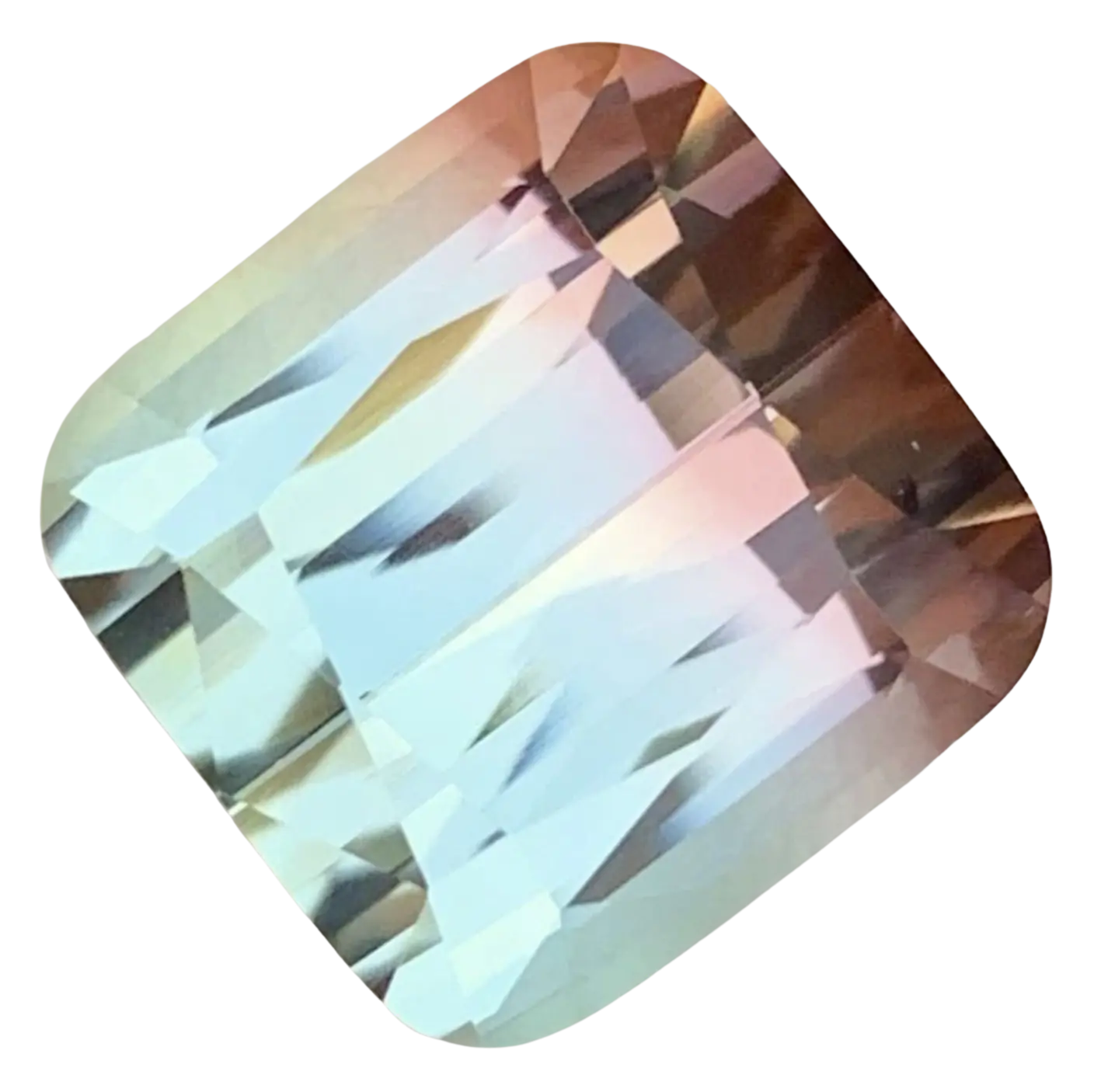
All coloured beryls are dichroic (two colours), and two different colours may be seen in different, but specific, directions, such as aquamarine: near-colourless or pale blue and stronger blue or greenish blue.
Some beryls can show chatoyancy (French, from chatoyer to gleam like a cat's eyes), which is an effect where certain minute orientated inclusions or fine hollow tubes appear as a single line of reflected light
What are the different types of beryl?
Emerald
Traditionally only a beryl containing traces of chromium - which results in a green colour - was classified as an emerald. However, as vanadium also creates a green coloured beryl, it has become widely accepted that chromium and vanadium, whose presence alone or in combination creates the green colour, may be called an emerald.
The first known emerald mines were in Egypt, dating from at least 330 BC into the 1700s. Following Christopher Columbus’ discovery of South America in 1492, great quantities of precious metals and gemstones, including emeralds, were brought to Europe. However, it took until 1567 to discover the Muzo and Chivor emerald mines in modern-day Colombia.
It is Colombia that produces some of the finest emeralds, and for nearly five decades it has produced more than half the world’s output. However, quality gem crystals of significant quantities are also found in, but not limited to, Brazil, India, Zambia, Madagascar, Mozambique, and Siberia.
Clean material without inclusions such as fractures, crystals of other minerals, or even liquids and gases is extremely rare and commands exceptionally high prices. But inclusions can help identify natural from synthetic emeralds and can even give an indication of the geographic location where they were sourced.
Aquamarine
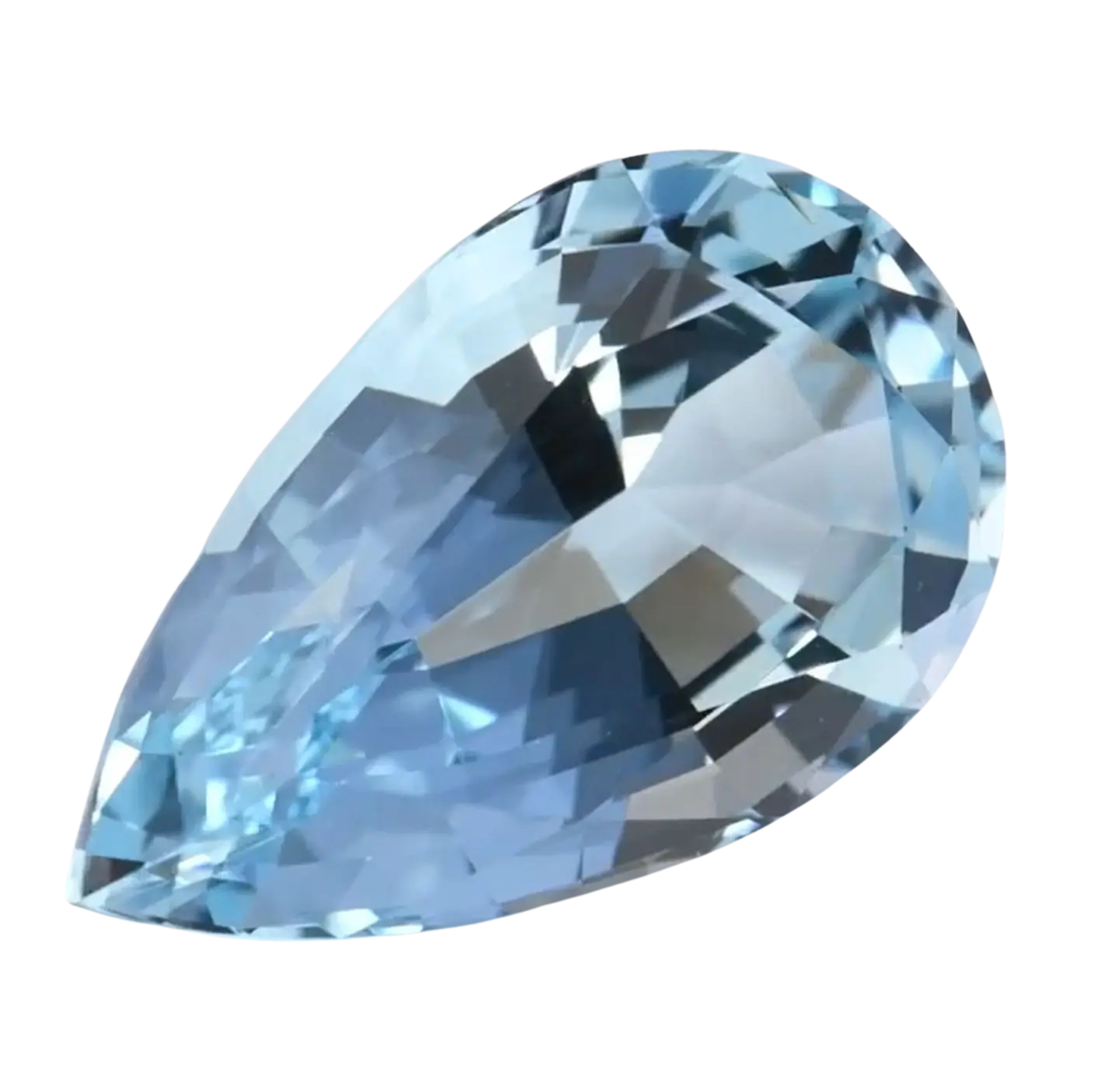
Its name is derived from the Latin ’aqua marina’, water of the sea, due to its blue to greeny-blue colouration. Often, yellowish or greenish blue coloured material can be heated to result in a stronger, more desirable blue.
Brazil mines the largest amount of aquamarine, with the region of Minas Gerais producing very fine gem material. In fact, the Santa Maria mine in Brazil produces very fine specimens, but it is worth noting that not all gems from any mine are equal in quality. Also, Santa Maria has been used as a term of quality, not only for geographic origin. Other locations with quality specimens of size include Kenya, Namibia, Zambia, Australia, Russia, and Afghanistan.
Morganite
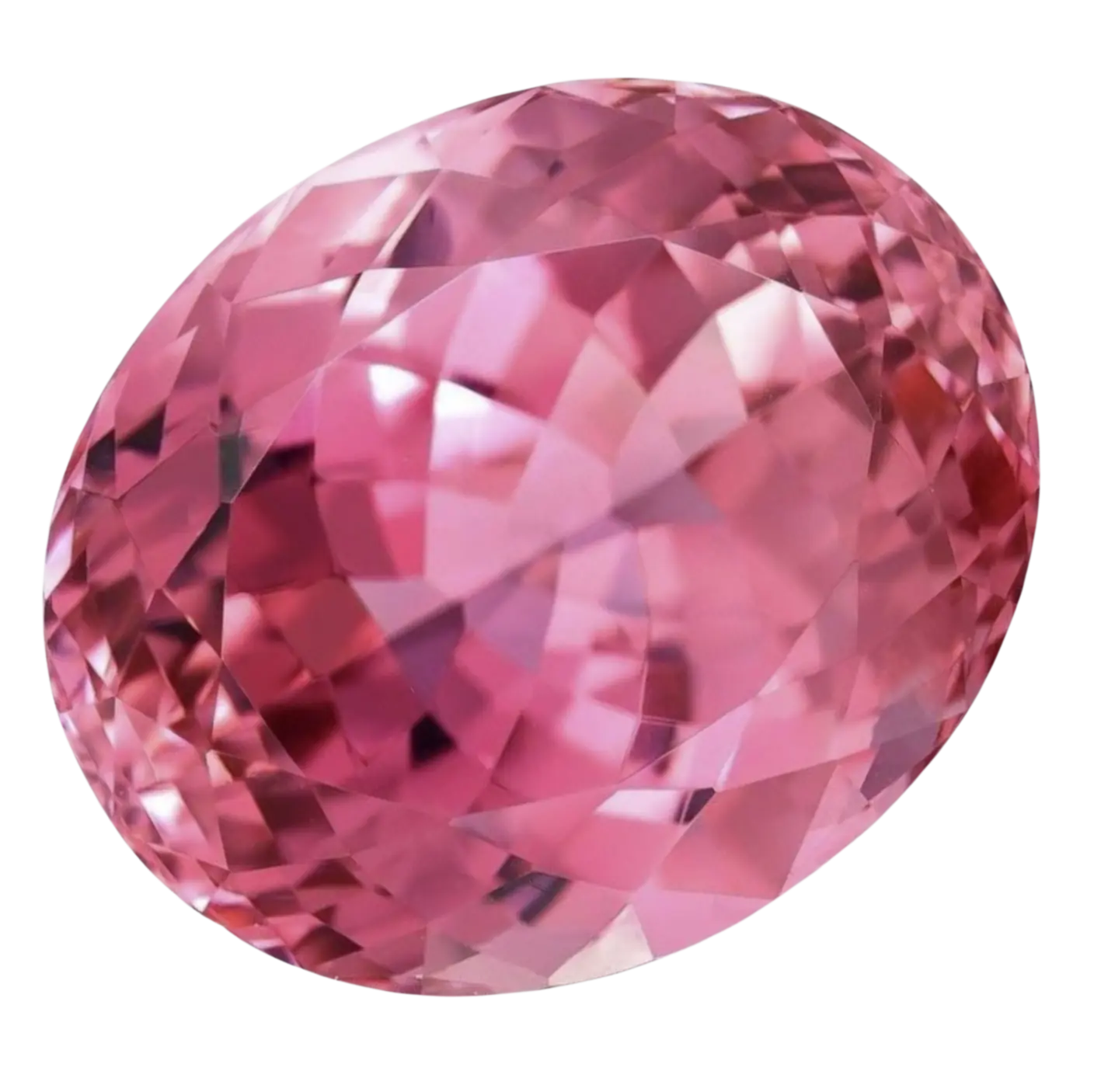
Named by George Kunz, Tiffany and Company's chief gemologist, after the American banker and gem collector J.P Morgan (John Pierpont Morgan). Its pink colour is attributed to trace amounts of manganese. It is often orangy or purply-pink (often referred to as peach in colour); however, the rarer, intense pink is highly prized. Although also found in areas such as Pakistan, Afghanistan, and California, USA, locations that produce exemplary crystals are Madagascar and Brazil.
Heliodor
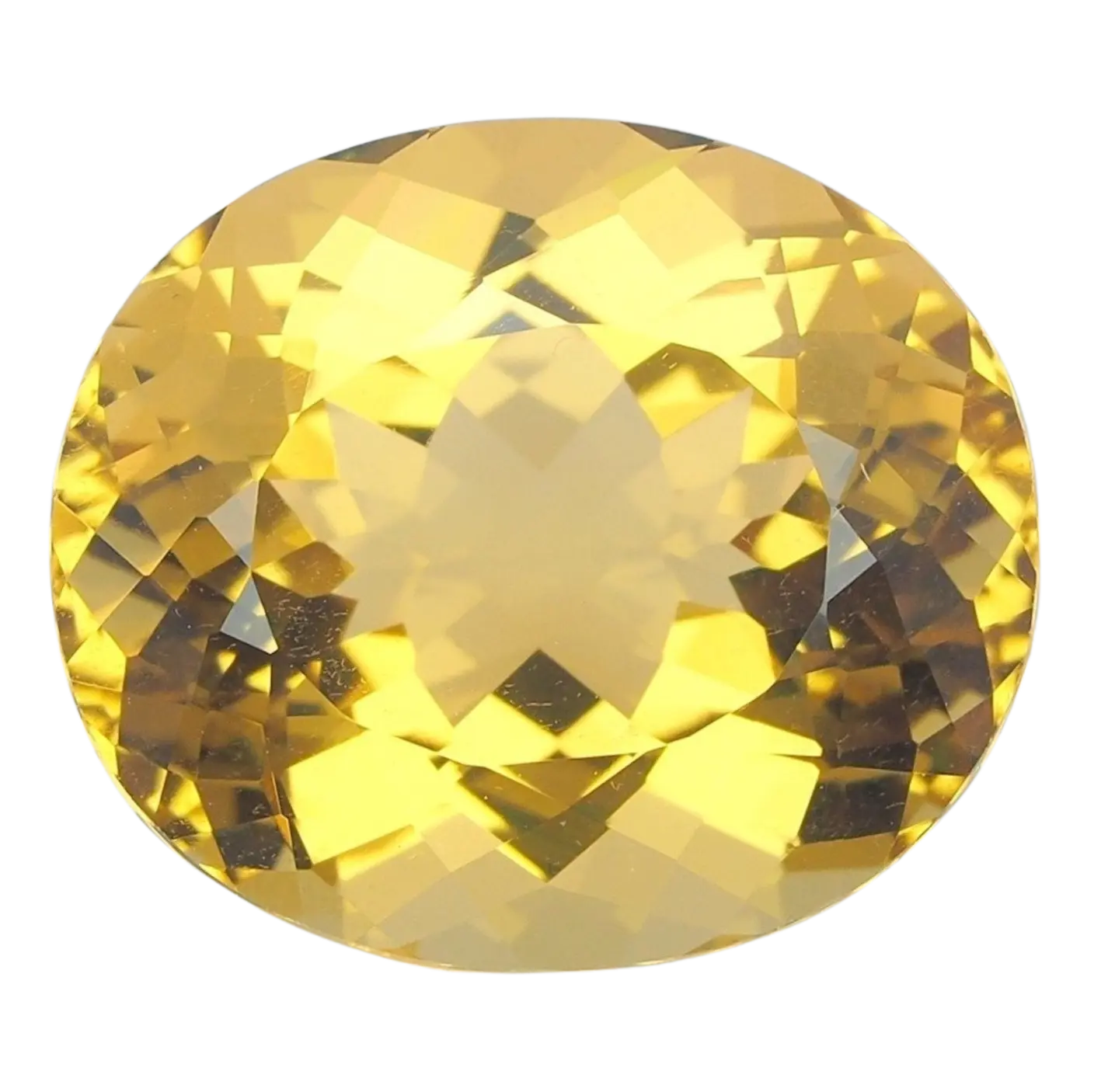
Named from the Greek helios, and doron, meaning gift of the sun, on account of its yellow colour (derived from the inclusion of iron). Pale yellow may be known simply as yellow beryl, and the more saturated and vibrant yellow is known as golden beryl.