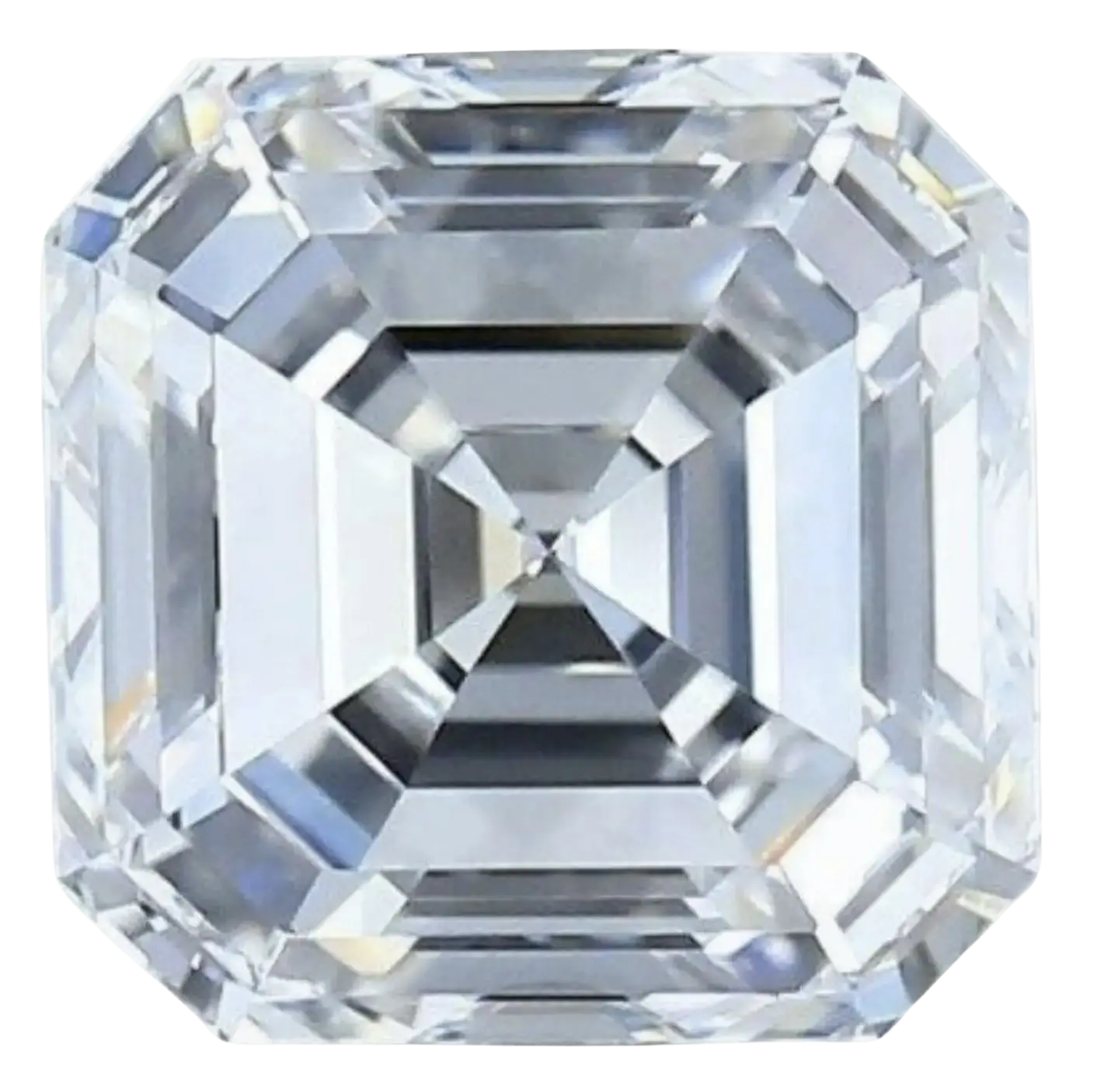
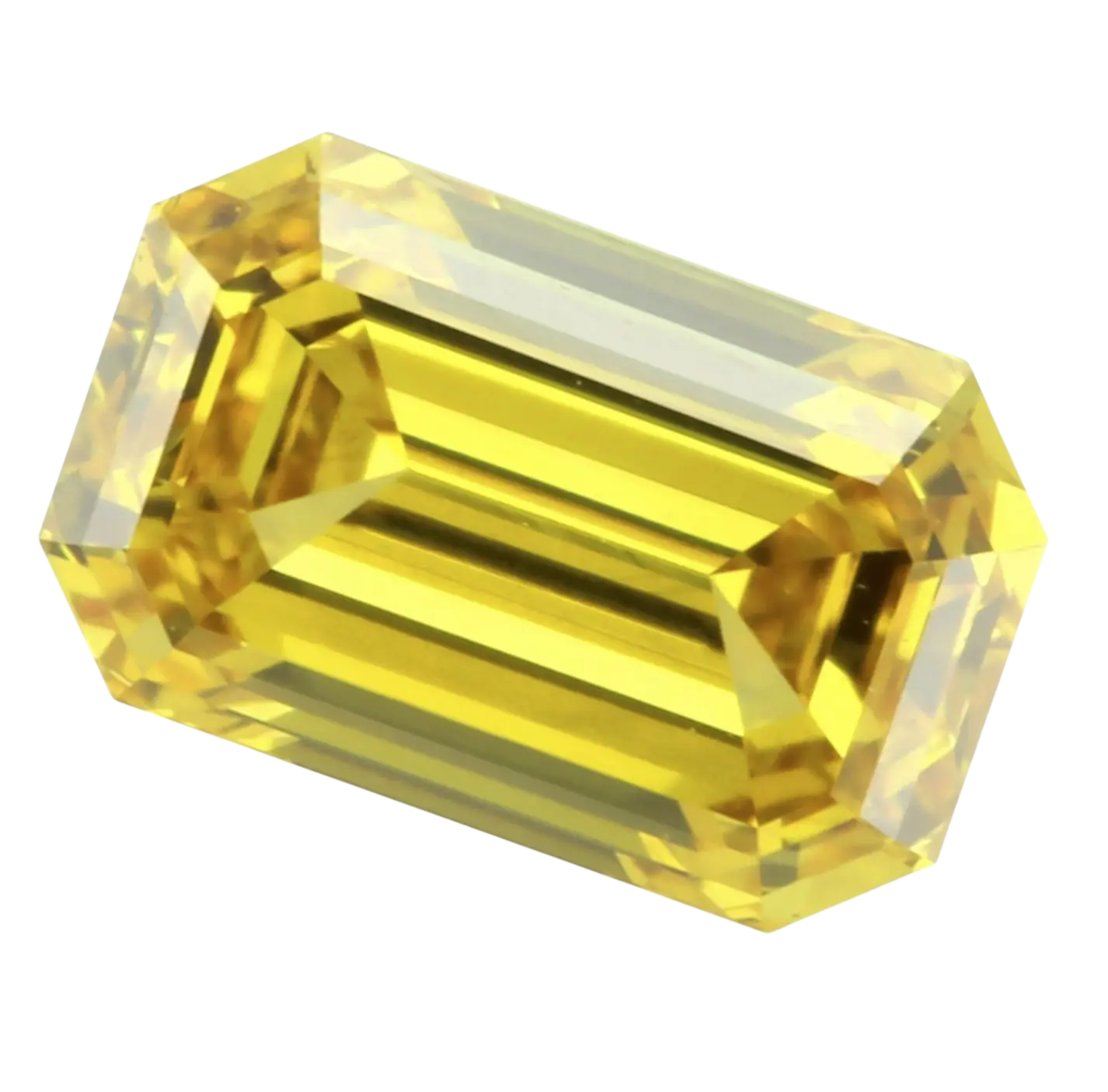
Diamond
What is a diamond?
The name diamond derives from the ancient Greek adamas (“invincible”).
Diamond in its pure form is carbon, forming its crystalline structure deep within the earth between 90 and a staggering 500 miles deep under high temperature and pressure over billions of years, before being brought to the surface by volcanic activity.
Originally discovered in India around the 9th century BC, with the first distribution to Europe in 327 BC when Alexander the Great invaded India and took diamonds to the Mediterranean. In the early 1700’s, a source was found in Brazil which soon became the world's primary source. Then discoveries followed in South Africa in 1866, Siberia in the 1950’s, Australia in the 1980’s, and Canada, which began mining in the 1990’s.
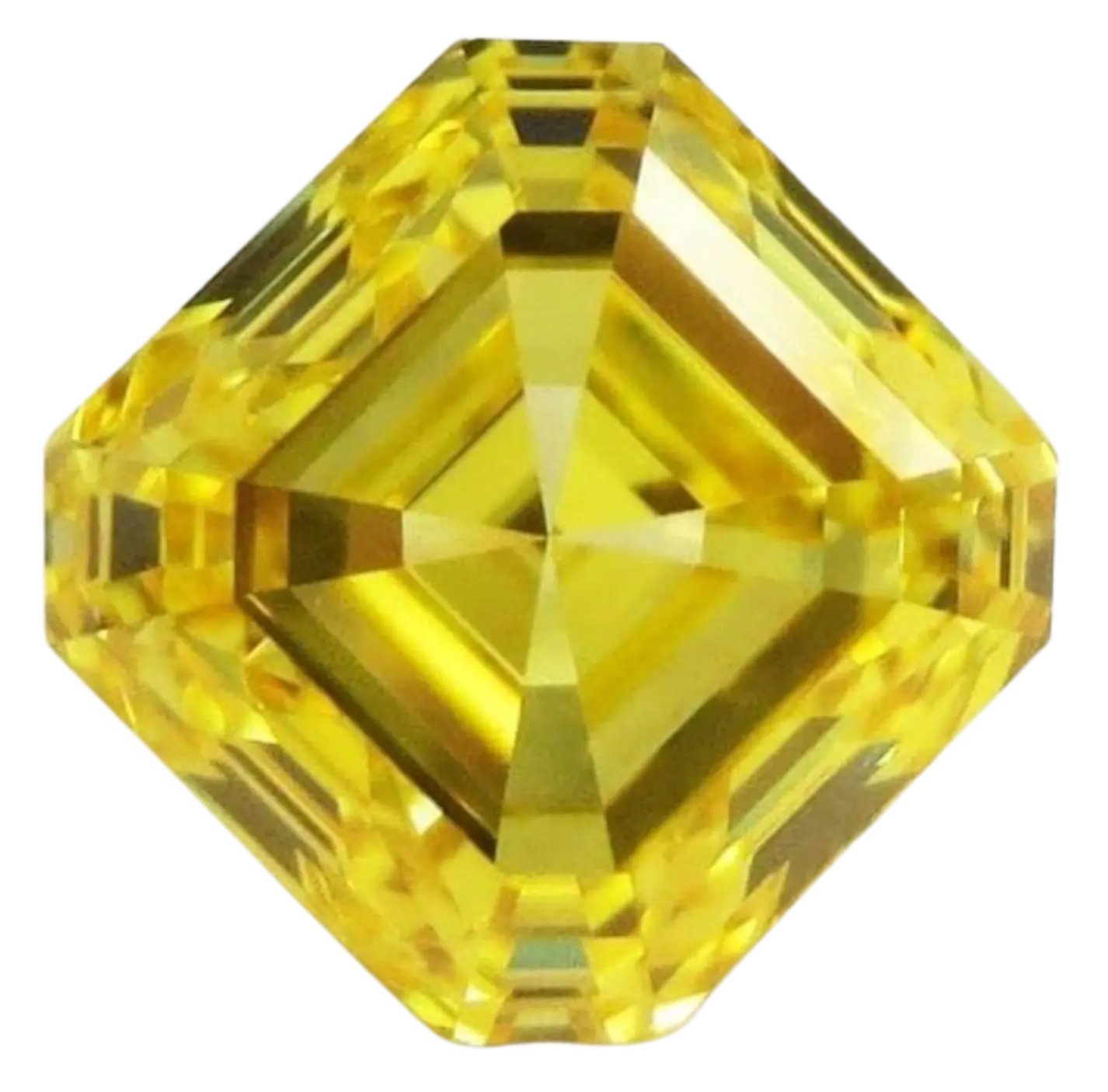
What can affect a diamond’s colour?
Nitrogen in trace amounts can cause a yellow colour in diamonds - if faint, it is somewhat undesired, but a more intense, vivid yellow can be found and is highly valued.
A blue colour is due to the presence of boron and is very rare indeed. Green and even red colours can be found, but are also very rare. Of note are pink diamonds, with one mine of fame being the Argyle mine in Australia, once producing 90% of the world's supply.
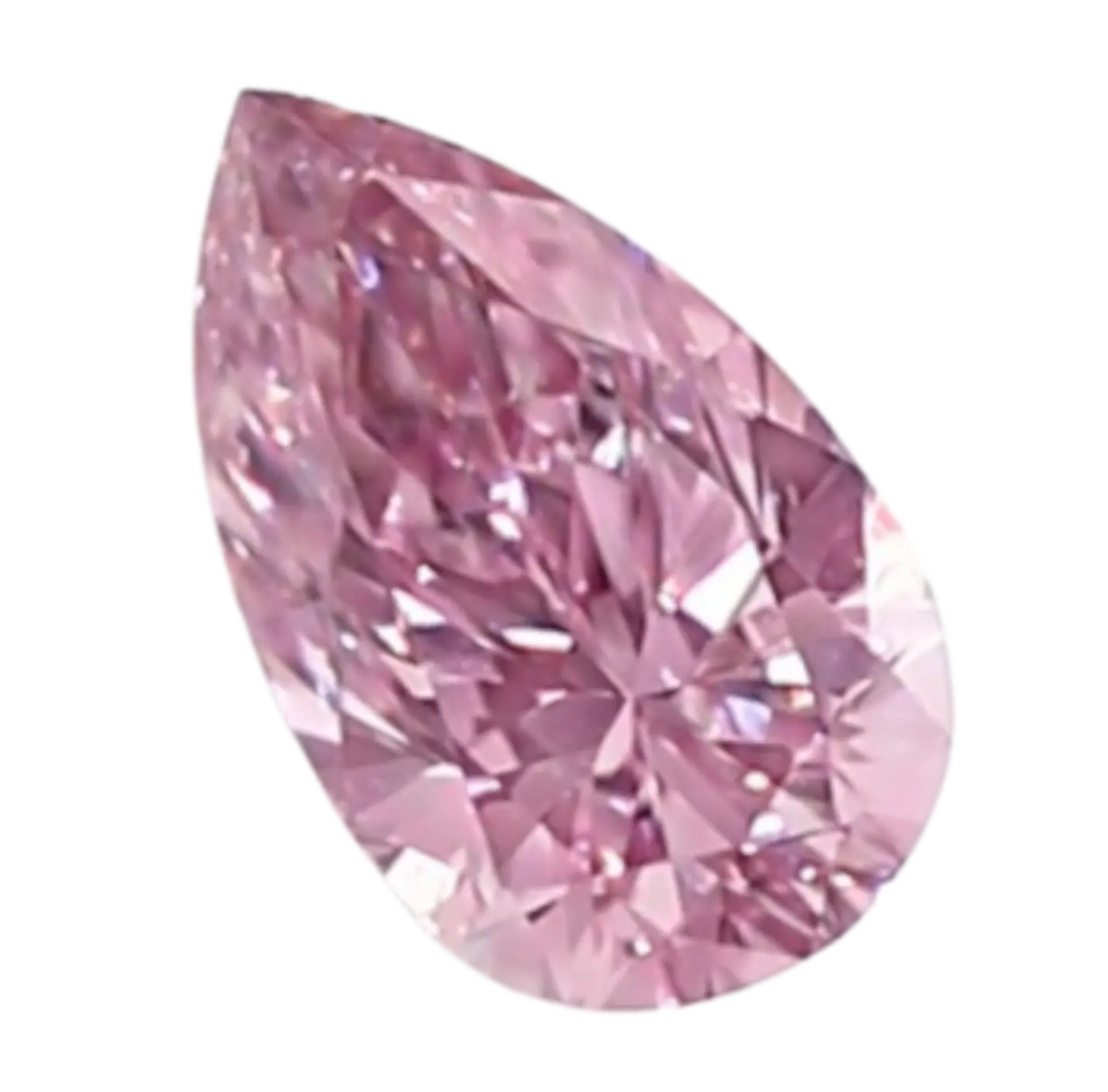
How are diamonds graded?
A well-known way to grade white diamonds is the 4 C’s: colour, clarity, cut and carat.
- Colour grading of “white” diamonds is done with the commonly alphabetised colour range, D being colourless down to Z, which is faintly yellow and of considerably diminished value. However, other colours known as fancy colours, strong yellow along with blues, reds, pinks and greens have a different grade to signify their hue, tone and saturation.
- Clarity is what inclusions and blemishes a diamond has, their size, location, visibility and quantity within or on the diamond. From flawless to imperfect.
- The cut quality can offer a diamond more light dispersed and reflected to the viewer, showing its brilliance and dazzling display. The polish is also important, as is the symmetry of the facets right down to the angles and sizes of the facets.
- Carat, a measurement of weight, with one carat being 0.2 grams. This is a major key in deciding the price of a diamond.