Ruby and Sapphire
What are rubies & sapphires?
Both ruby and sapphire are varieties of the mineral corundum, which is composed of aluminium oxide. What sets them apart is the addition of trace elements.
What colours are rubies & sapphires?
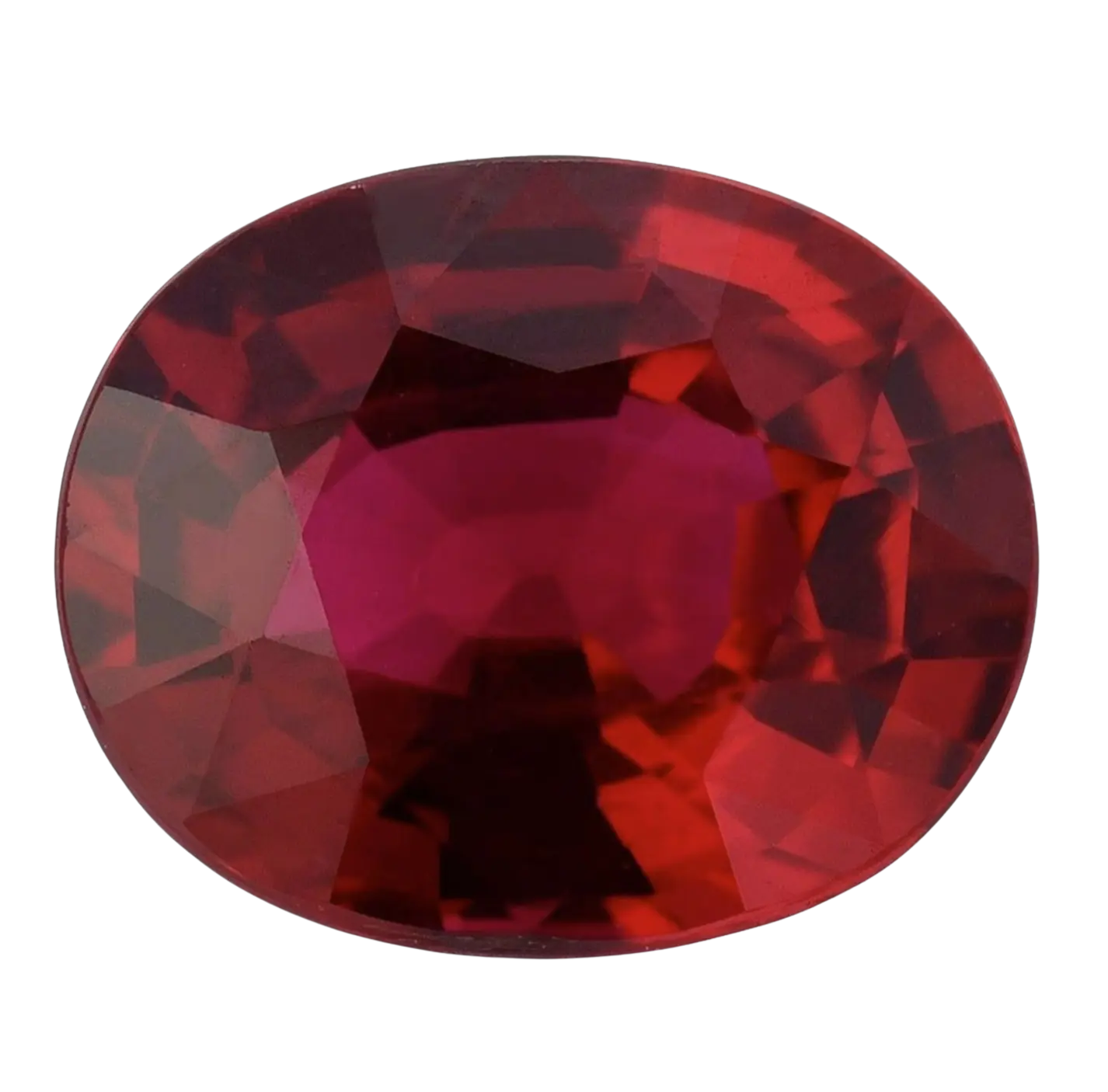
Ruby is so named because of its red colour (Latin: ruber) due to the traces of chromium, which can also cause fluorescence, which adds to the intensity of the red colour. Traces of iron in Ruby reduce this fluorescence. This explains why mined areas that have very little iron in Myanmar, Sri Lanka and Vietnam produce such vibrantly coloured Rubies.
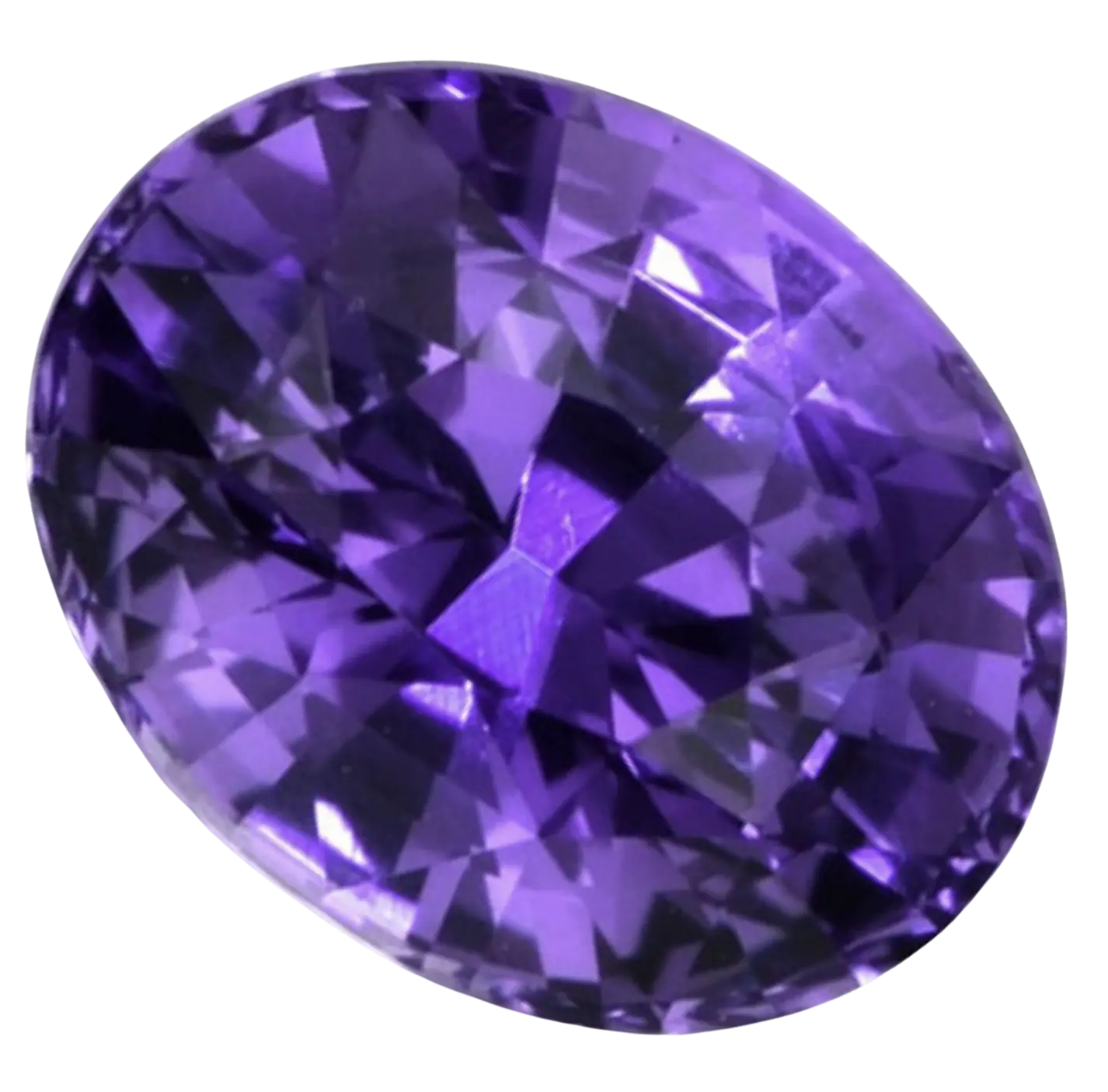
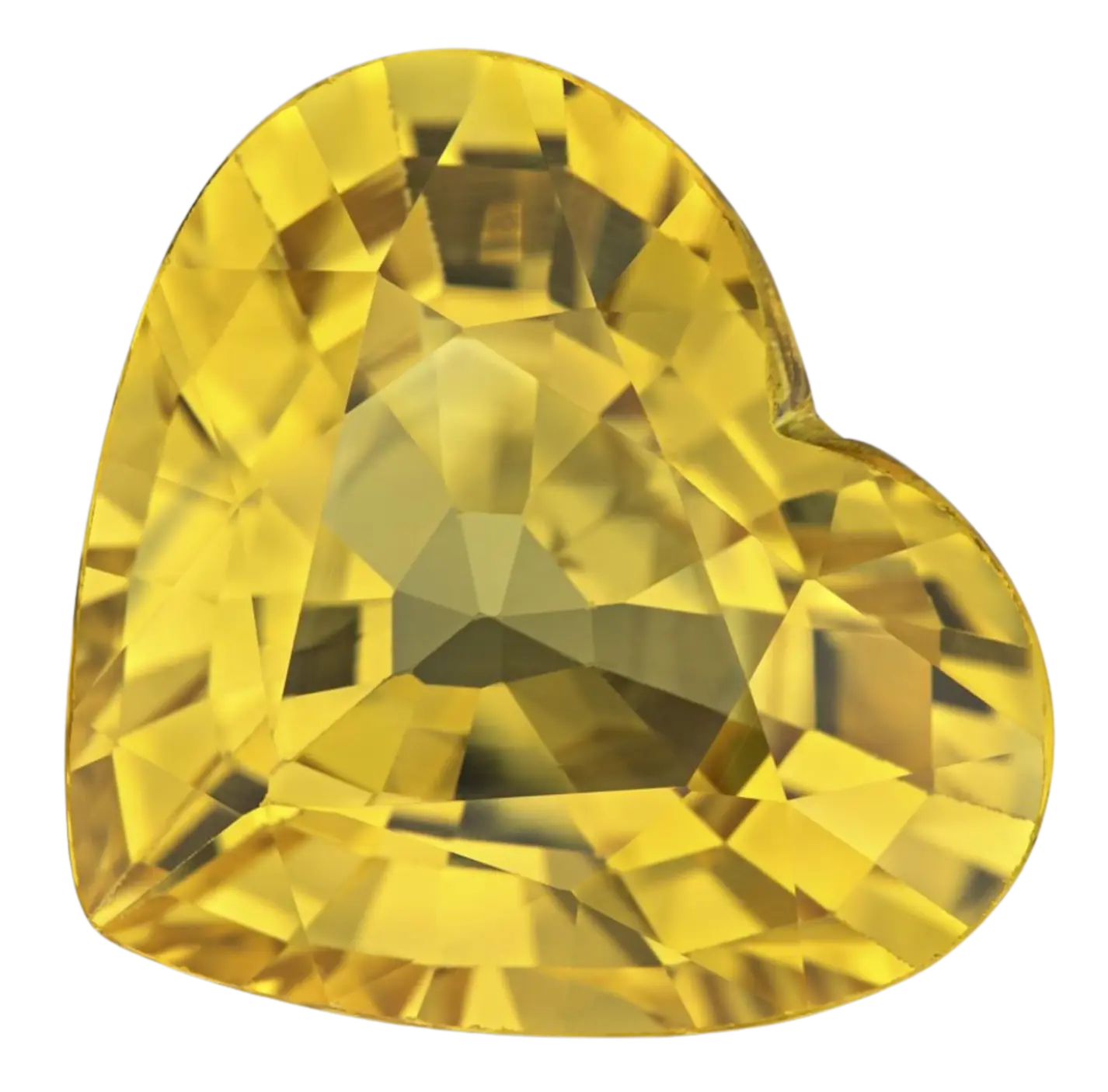
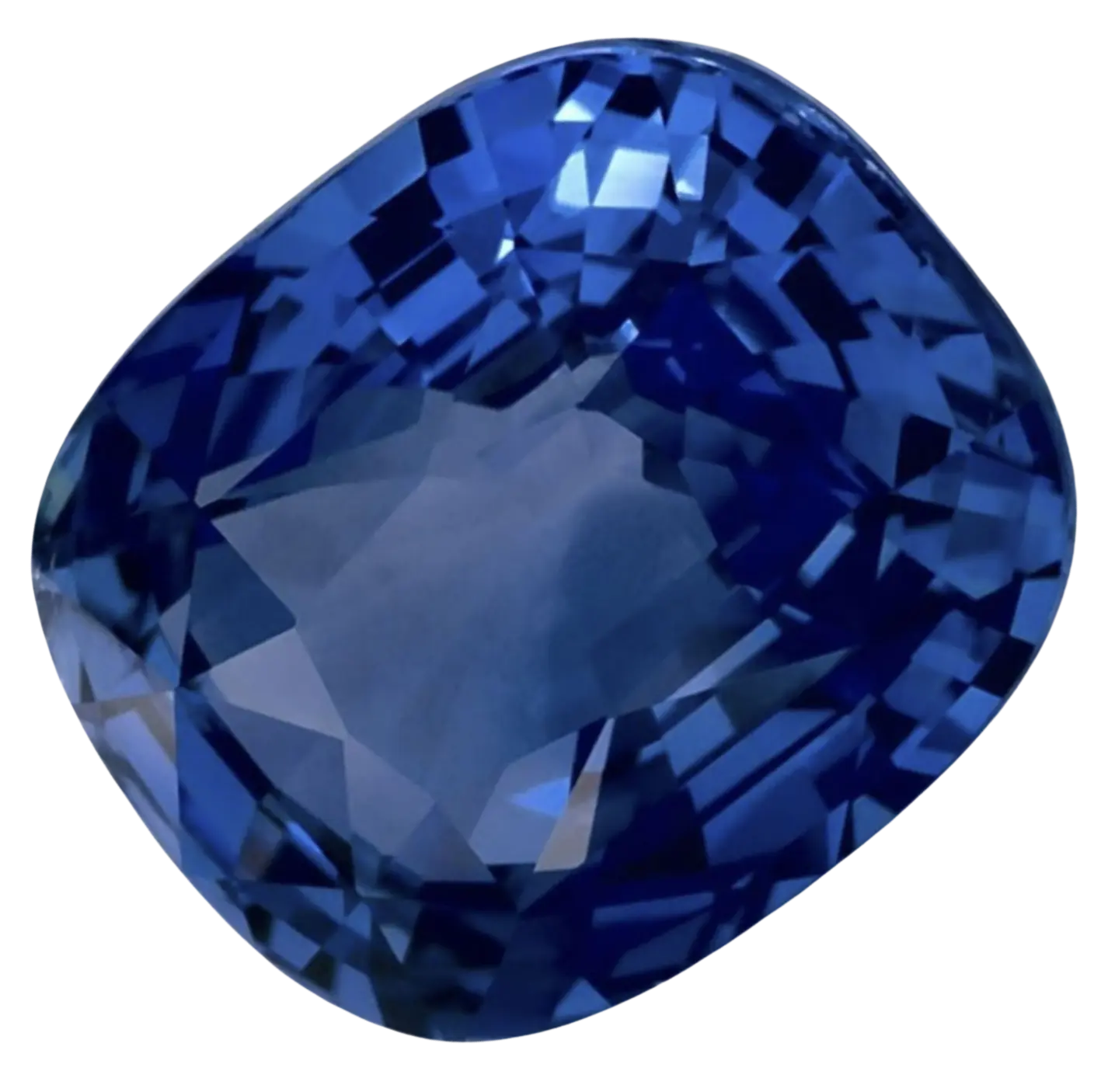
Traces of iron and titanium in the right quantity and proportions in corundum can result in the blue of sapphire, fine examples of which can be found in Australia, Myanmar, Thailand and Sri Lanka. However, there are many other colours of corundum: orange, green, yellow, violet, and mauve. Essentially, if it is colourless or any colour other than red, it is referred to as a sapphire. Padparadscha (meaning lotus flower in Sinhalese) is a rare pink-orange sapphire, and highly prized.
Although inclusions are normally not desired, there are occurrences when other minerals, needle-like in shape, and in a suitable quantity and orientation, can create an optical effect known as asterism and appear as a six or even 12-rayed star. The stronger the effect, the more prized the specimen.
Are rubies & sapphires hard-wearing?
Yes, they are very hard-wearing gems, not prone to chipping as much as some other gems, making them ideal for everyday wear and general adornment.