Spinel
What is spinel?
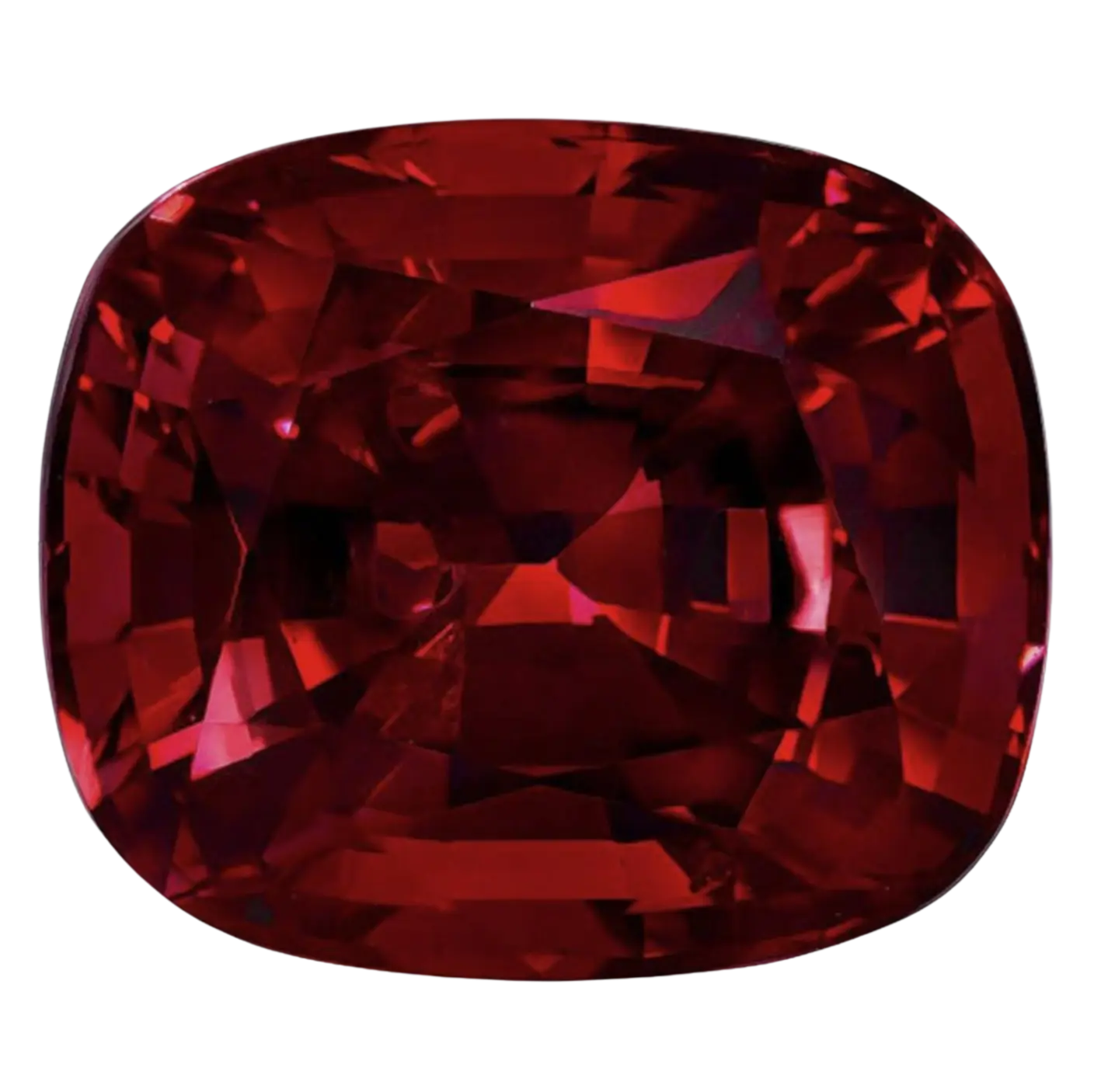
Many gems were once defined by colour alone, anything red often being referred to as Ruby. For example, ‘The Black Prince's Ruby’ in the English Imperial State Crown is, in fact, a spinel. It was French mineralogist Jean-Baptiste Louis Romé de L’Isle in 1783 who finally discovered the identifiable differences between corundum (with its varietals sapphire and ruby) and spinel.
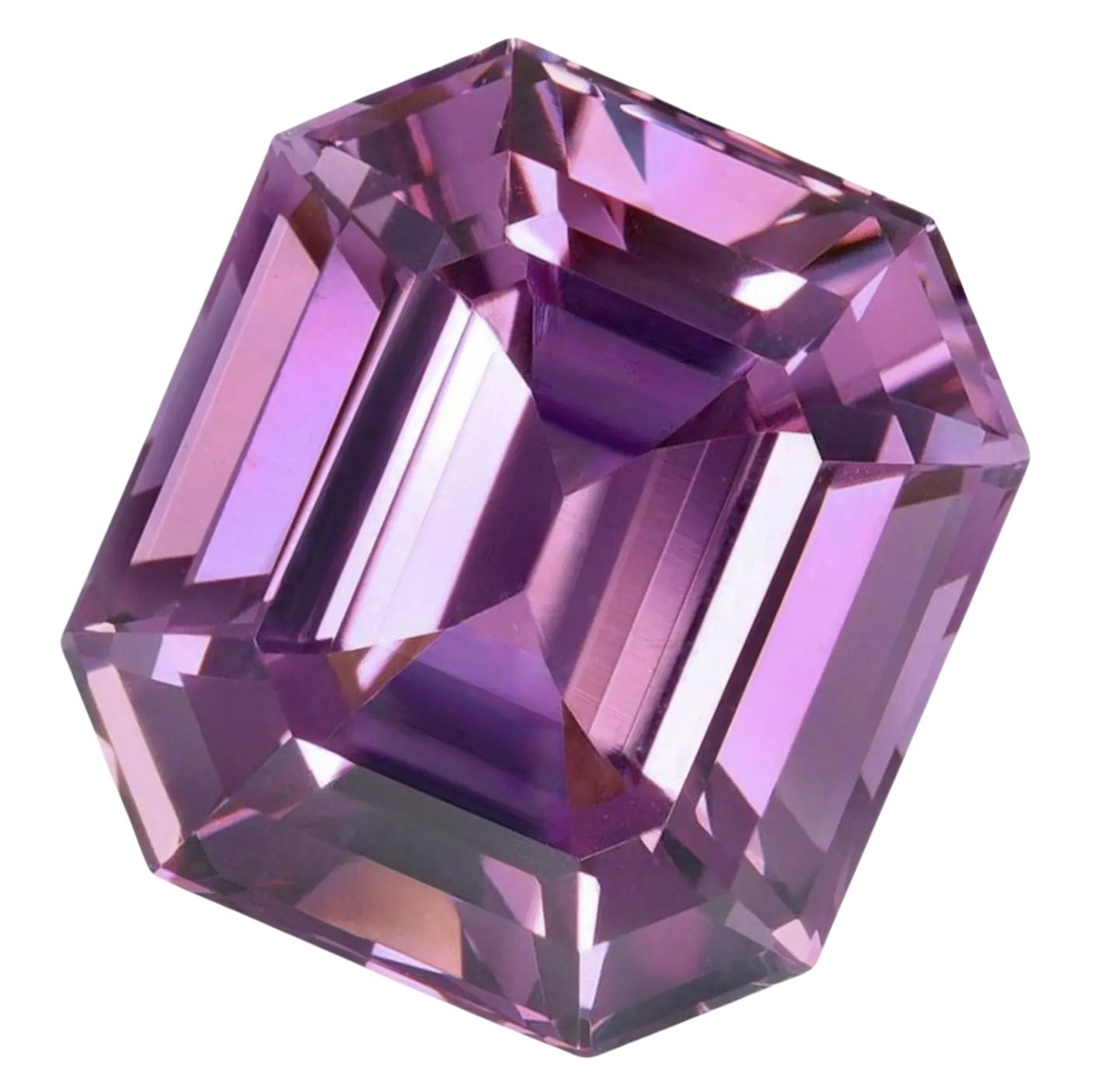
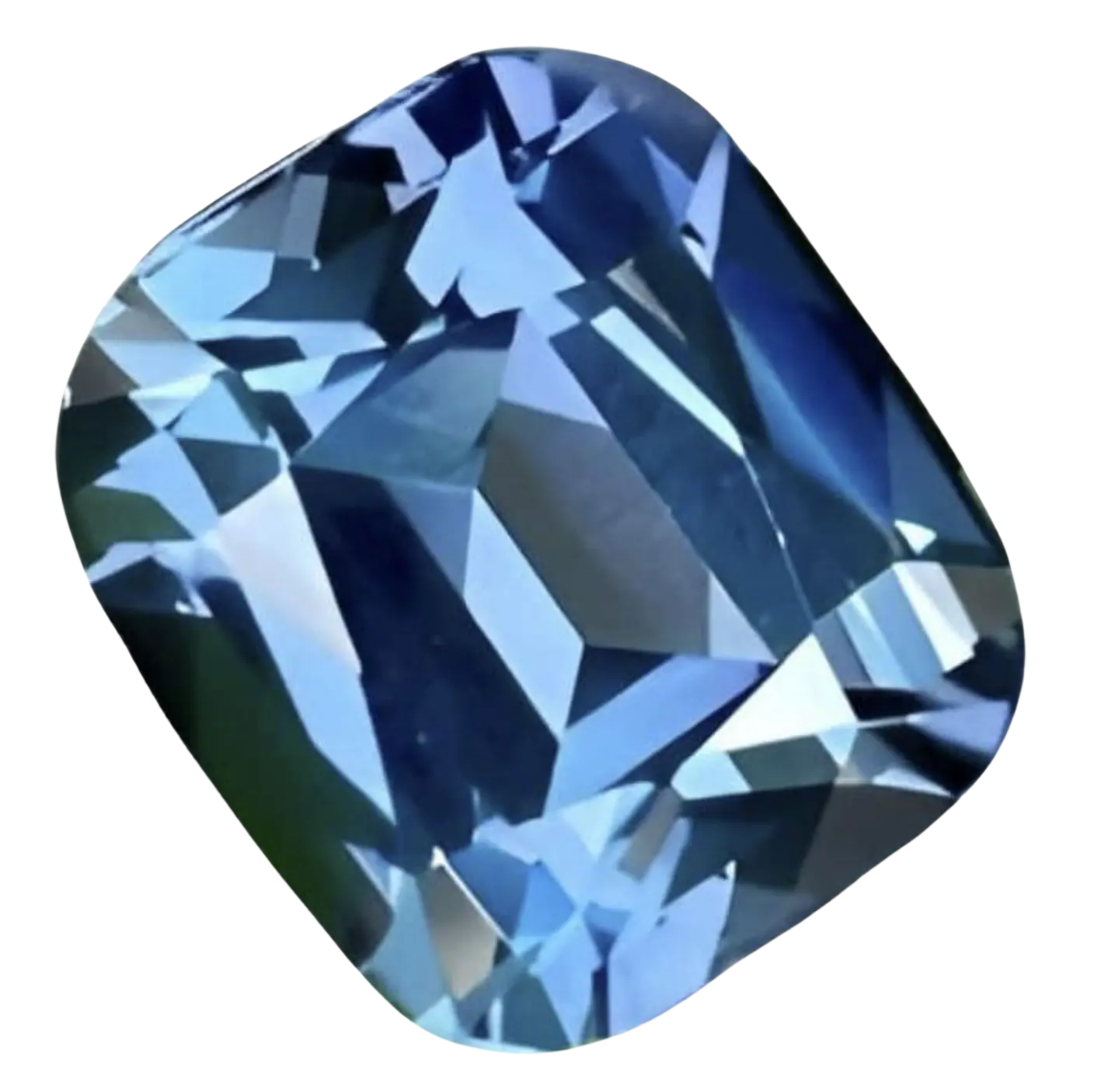
It is a magnesium aluminium oxide that can come in so many colours due to various trace elements. Of the colours pink, purple, orange, violet, blue-green, and black, it is the red that’s the most widely known and a fine example can hold a significant value. A vibrant blue whose colour is due to the trace element cobalt within the crystal is highly prized and can fetch a price far exceeding a blue spinel coloured by the trace element of iron.
In general, large spinel crystals are hard to find so that is reflected in its value.
Like some other gems, asterism can form due to needle-like inclusions of the mineral rutile (titanium oxide) orientated in a specific way to reflect light forming a radiated star.
Where does spinel come from?
Renowned sources are Myanmar, Sri Lanka, and Afghanistan with Vietnam supplying many fine cobalt blue specimens.
Is spinel hard-wearing?
It is a hard gem, not as prone to chipping as some other gems, so it is well suited to everyday jewellery.