tourmaline
What colour is Tourmaline and what is it made of?
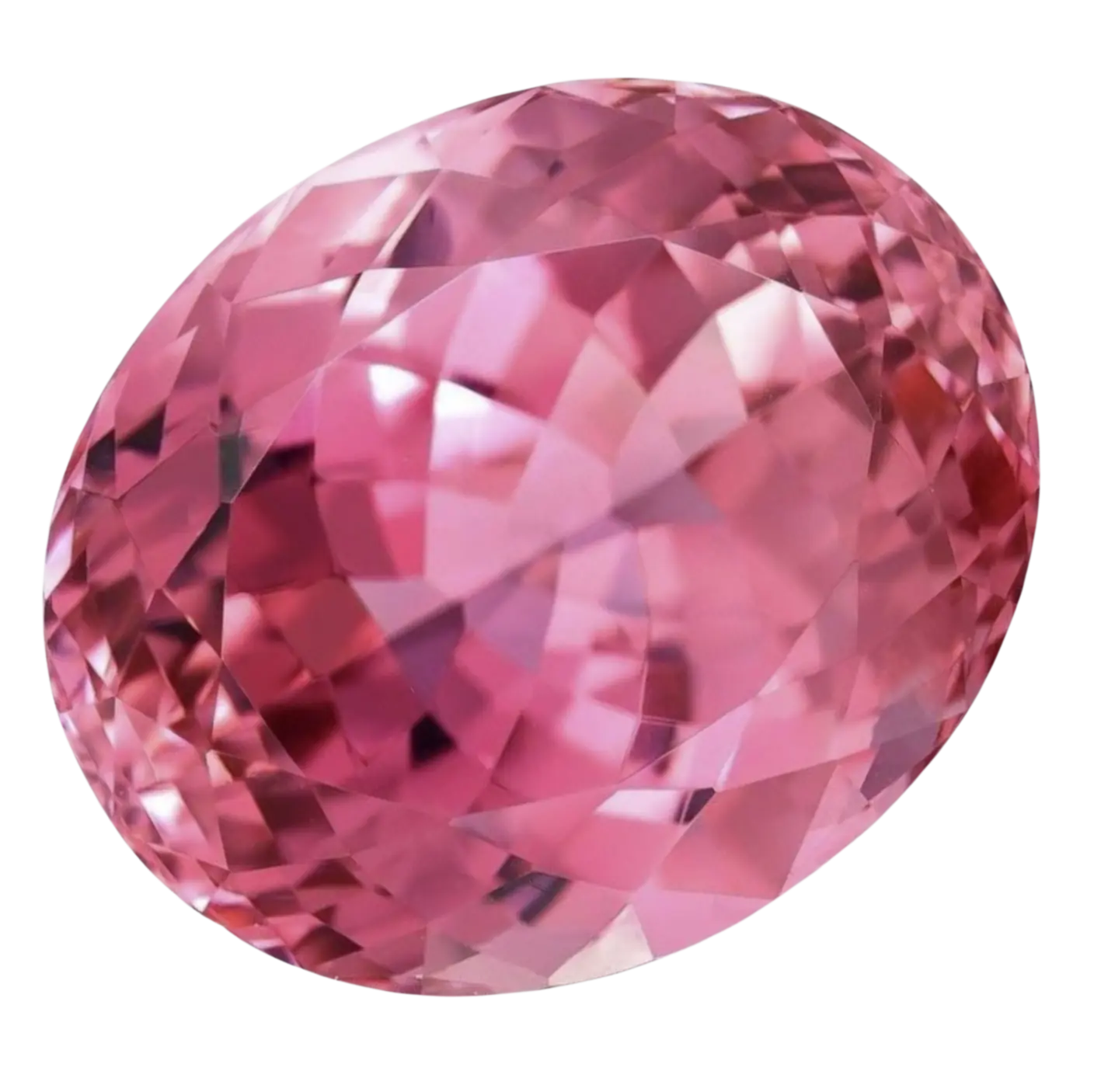
Tourmaline is known for its stunning range of colours and has one of the widest colour ranges of any gem species, occurring in various shades of virtually every hue. In fact, when the Dutch imported the gem to Europe from Sri Lanka in 1703, it was given a Sinhalese name, Turamali, meaning stone with mixed colours.
All tourmalines share the same crystal structure and contain the elements silicon, aluminium, and boron. They are allochromatic, which means they get their colour from impurities, namely trace elements. One example is the highly prized and rare Paraiba tourmaline, with its neon blue to green colour, primarily due to the presence of copper. It was originally mined in Minas Gerais in Brazil and named for the region in Brazil.
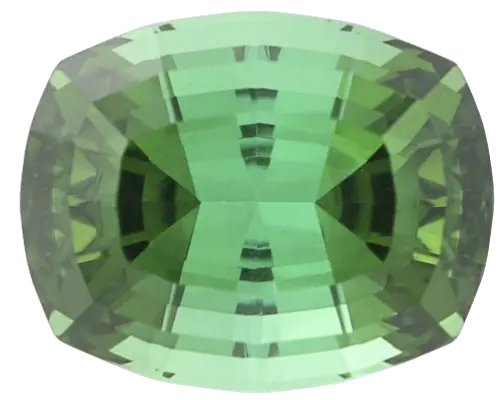
They are also dichroic (two colours). When viewed in a specific direction, one colour may appear different when viewed from a second specific direction. A green tourmaline may show yellow green in one direction and dark green from another.
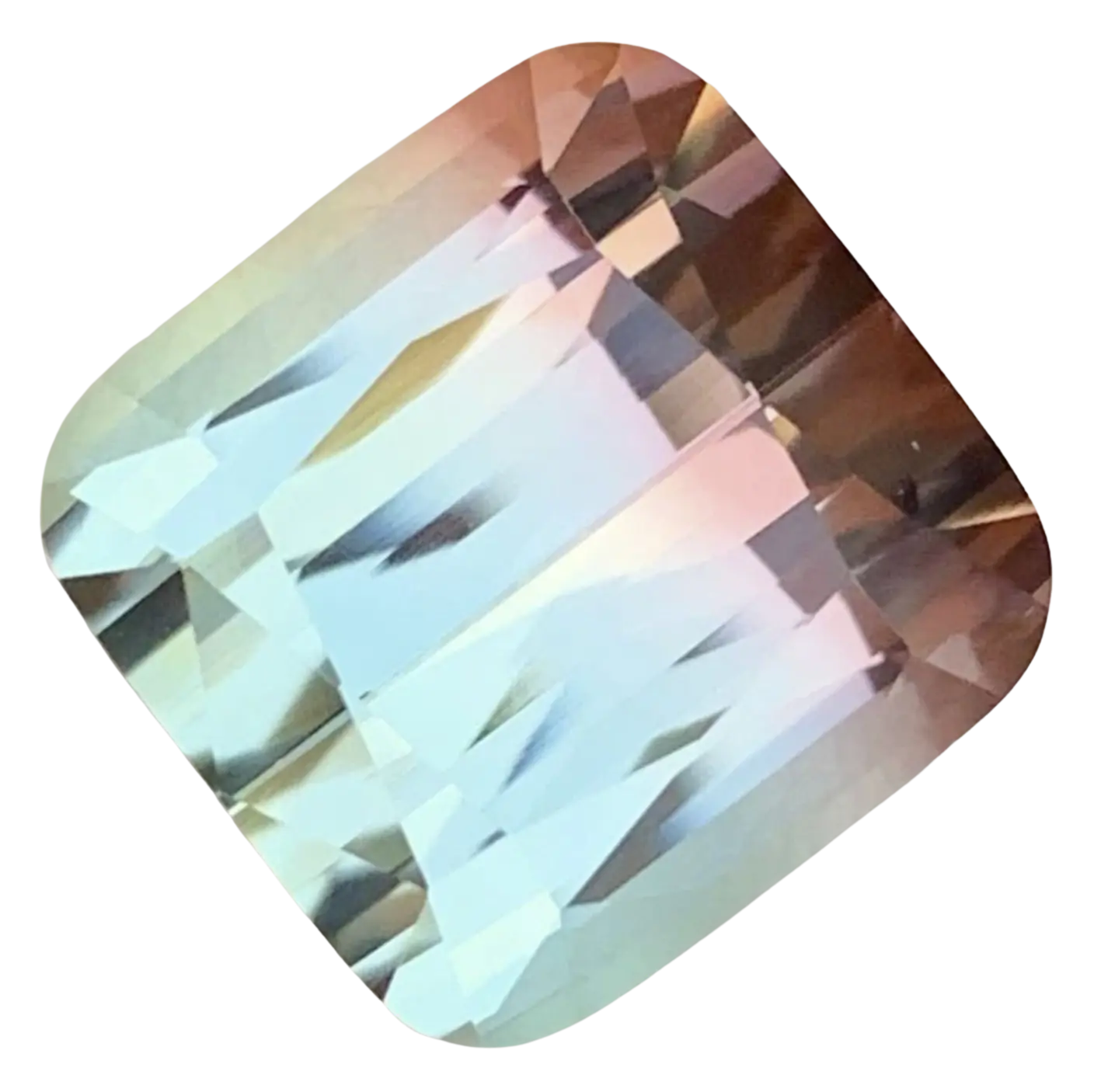
It is not uncommon to find single crystals that blend from one colour to another along the crystal, and even across the crystal colours may change, such as watermelon tourmaline, named for the outer edges being green with a pink core.
Some tourmalines can show chatoyancy (french, from chatoyer, to gleam like a cat's eyes), an effect in which certain minute, oriented inclusions or fine hollow tubes appear as a single line of reflected light.
Do varieties of Tourmaline have different names?
Names for the different varieties may be mineralogical, like Elbaite, which can occur in many colours, including pink, green and blue. Or they can have simply commercial names, such as Rubellite, from the Latin word rubellus, meaning "reddish". Often the name is prefixed by the colour, such as pink tourmaline and green tourmaline, offering a very basic differentiation between otherwise complex and diverse tourmalines.
Where does Tourmaline come from?
Tourmalines are currently mined in many countries, including Afghanistan, Australia, India, Myanmar and Madagascar. In the late 1800s, tourmaline became known as an American gem through the efforts of Tiffany gemmologist George F. Kunz, with stones mined in San Diego County, California.